Introduction
When I first started using computers, I believed that every useful software program had to be expensive. I thought paying for software was the only way to get quality, security, and regular updates. Over time, I realized that many of the tools I relied on every day were actually open source. At first, I did not pay much attention to what that meant, but after using several open source applications for both personal and professional work, I began to understand why millions of people around the world prefer them.
Today, open source software powers websites, smartphones, cloud platforms, businesses, and even space technology. It has changed the way developers build applications and how companies deliver services. Whether someone is a student, freelancer, business owner, or software developer, chances are they already use open source software without even realizing it.
In this article, I want to share my experience and explain what open source software is, why it has become so popular, and the advantages and disadvantages that everyone should understand before choosing it.
What Is Open Source Software?
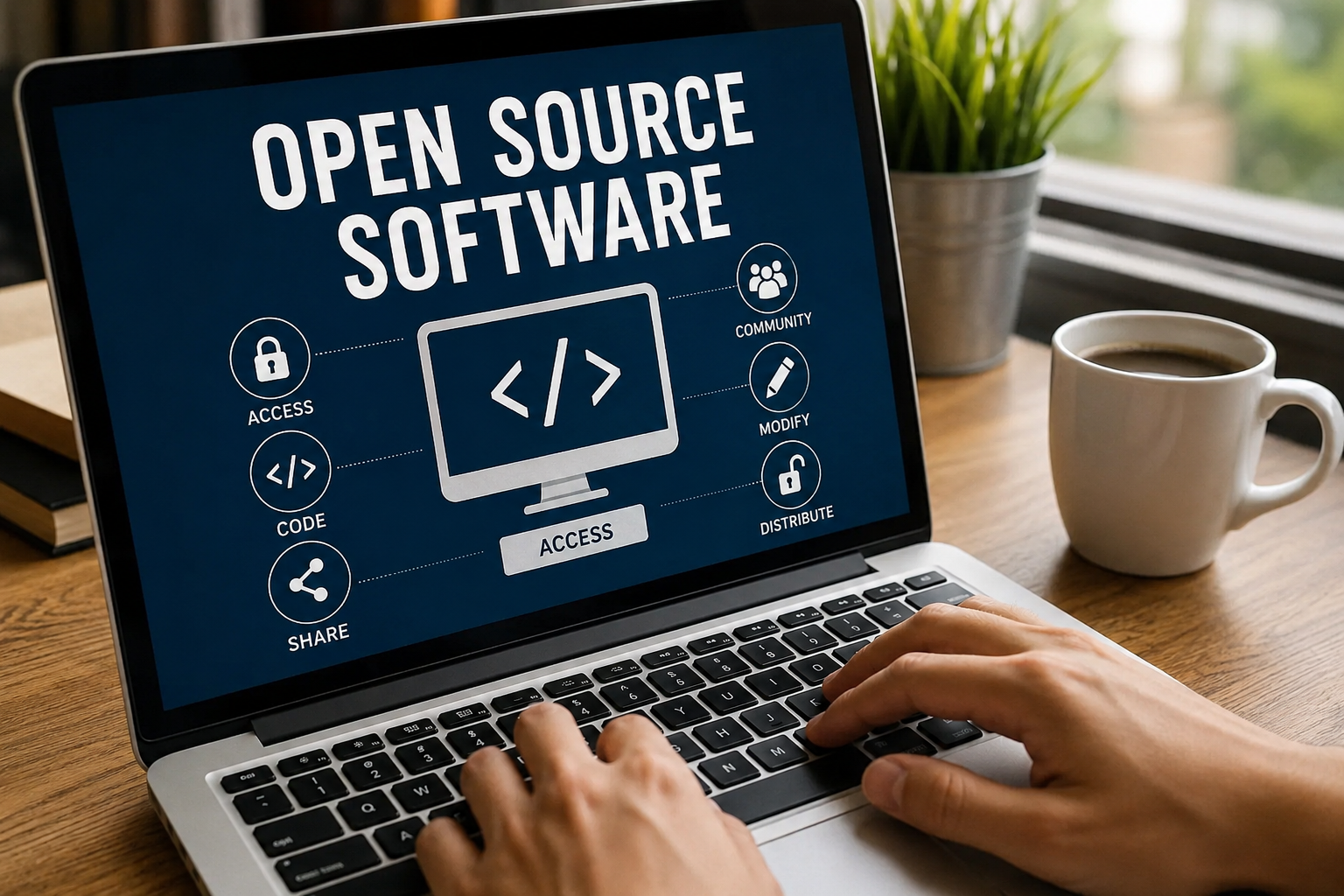
Open source software is software whose source code is publicly available. This means developers can view the code, modify it, improve it, and share their own versions as long as they follow the license attached to the project.
Unlike proprietary software where only the company has access to the code, open source projects encourage collaboration from people all over the world. Thousands of developers often contribute their knowledge to improve a single application.
Some of the most popular examples include Linux, WordPress, Mozilla Firefox, VLC Media Player, Blender, GIMP, and LibreOffice. Many websites on the internet also run on open source technologies such as Apache, Nginx, PHP, and MySQL.
Why Open Source Software Has Become So Popular
Over the last decade, I have noticed that more companies are embracing open source instead of avoiding it. Large organizations that once relied only on commercial software now actively contribute to open source communities.
One reason is cost. Businesses can reduce software licensing expenses while still accessing powerful tools. Another reason is flexibility. Developers can customize software according to their own requirements instead of waiting for a vendor to release new features.
The growth of cloud computing has also accelerated the popularity of open source software. Many cloud services are built using open source technologies because they are reliable, scalable, and continuously improved by global communities.
Another major reason is trust. Since anyone can inspect the code, security researchers and developers can identify vulnerabilities and fix them quickly. This level of transparency creates confidence that hidden features or unnecessary tracking are less likely to remain unnoticed.
My Experience Using Open Source Software
When I first installed an open source application, I honestly expected it to feel outdated or difficult to use. Instead, I was surprised by how polished it was. Over time, I replaced several paid applications with free alternatives.
For example, I started using LibreOffice for documents, VLC for watching videos, GIMP for basic image editing, and Visual Studio Code for programming. I realized that I could complete most of my daily work without spending hundreds of dollars on software licenses.
Of course, everything was not perfect. Sometimes I had to search online forums to solve small problems. Documentation was occasionally confusing, and certain features were missing compared to premium software. Still, the overall experience remained positive because I had complete freedom to use the software however I wanted.
The Biggest Advantages of Open Source Software
Cost Savings
One of the biggest reasons people choose open source software is that it is often free to download and use.
For students, startups, and small businesses, this can make a huge difference. Instead of spending money on expensive software licenses, they can invest those resources into learning, marketing, or business growth.
Even large companies save significant amounts by adopting open source solutions across their infrastructure.
Transparency
I personally appreciate knowing that the software I use is open for inspection.
Anyone with programming knowledge can review the code, identify issues, and suggest improvements. This transparency creates a level of trust that is difficult to achieve with closed source software.
It also encourages developers to maintain higher coding standards because their work is visible to everyone.
Strong Community Support
One thing I admire about open source projects is the passionate communities behind them.
If I encounter a problem, there is usually someone who has experienced the same issue. Community forums, discussion boards, GitHub repositories, YouTube tutorials, and documentation often provide solutions faster than expected.
Instead of relying on a single company’s customer support, users benefit from the knowledge of thousands of contributors worldwide.
Customization
Open source software gives developers the freedom to modify programs according to their own needs.
Businesses often require unique workflows that commercial software cannot provide. With open source solutions, developers can customize features, integrate new tools, or remove unnecessary components.
This flexibility is especially valuable for organizations with specialized requirements.
Faster Innovation
Thousands of contributors working together can improve software at an impressive pace.
Whenever new technologies emerge, open source communities often adopt them quickly. Bug fixes, security patches, and feature improvements are released continuously.
This collaborative development model allows innovation to happen much faster than relying on a single software company.
Better Learning Opportunities
As someone interested in technology, I believe open source software is one of the best learning resources available.
Developers can study real world code written by experienced programmers. Instead of only reading programming books, they can understand how professional applications are actually built.
This practical experience helps beginners improve their coding skills much faster.
The Challenges of Open Source Software
Although I appreciate open source software, I also understand that it is not perfect.
Like every technology, it has limitations that users should consider before making important decisions.
Limited Official Support
Some open source projects do not provide dedicated customer service.
If something breaks, users often depend on community forums or online documentation instead of calling a support team.
For experienced users, this may not be a problem. However, beginners may find troubleshooting frustrating.
Compatibility Issues
I have occasionally experienced compatibility problems when working with files created using commercial software.
Although compatibility has improved significantly over the years, certain advanced features may not transfer perfectly between different applications.
Businesses that frequently exchange files with clients should test compatibility before switching completely.
Steeper Learning Curve
Some open source applications are designed primarily by developers rather than designers.
As a result, their interfaces can sometimes feel less intuitive for new users.
While most people eventually become comfortable with the software, the initial learning process may take longer compared to commercial alternatives.
Inconsistent Documentation
Not every project has excellent documentation.
Popular projects usually have detailed guides, but smaller applications sometimes provide limited instructions.
When I first explored certain open source tools, I spent extra time reading community discussions because official documentation was incomplete.
Project Sustainability
One challenge that many people overlook is funding.
Some excellent open source projects are maintained by only a few volunteers.
If contributors lose interest or funding disappears, development may slow down or stop entirely.
This does not happen with every project, but it is something businesses should evaluate before relying heavily on a specific tool.
Security Depends on Maintenance
Many people assume open source software is automatically more secure.
In reality, security depends on active maintenance.
An open source project with regular updates, experienced contributors, and frequent security reviews is generally safer than an abandoned project that receives no attention.
Users should always choose software with an active development community.
Open Source vs Proprietary Software
People often ask which option is better.
From my experience, there is no universal answer.
Open source software offers flexibility, transparency, and affordability. Proprietary software often provides polished interfaces, dedicated customer support, and seamless integration with commercial ecosystems.
For example, if someone values customization and complete control, open source software may be the better choice.
If another person needs guaranteed technical support and enterprise level services, commercial software might be more appropriate.
The right decision depends on individual needs rather than simply choosing one category over another.
How Businesses Benefit from Open Source Software
Modern businesses increasingly depend on open source technologies.
Many websites operate on Linux servers.
Cloud platforms rely on open source infrastructure.
Developers use open source programming frameworks every day.
Companies also save money by avoiding expensive licensing fees while maintaining full control over their systems.
Another benefit is avoiding vendor lock in. Businesses are not forced to depend on a single software company because they have access to the source code and can migrate or customize solutions whenever necessary.
This freedom allows organizations to adapt more quickly as technology evolves.
Tips Before Choosing Open Source Software
Whenever I evaluate new software, I follow a few simple guidelines.
First, I check whether the project receives regular updates.
Second, I look at the size of the community because active communities usually indicate long term reliability.
Third, I review documentation to see if learning resources are available.
Fourth, I verify compatibility with my existing workflow.
Finally, I consider whether professional support is available if I plan to use the software for business purposes.
These simple steps help avoid future problems and ensure the software remains useful for years.
The Future of Open Source Software
Looking ahead, I believe open source software will continue growing rapidly.
Artificial intelligence, cloud computing, cybersecurity, blockchain, and data science all rely heavily on open source projects.
Large technology companies are contributing more resources than ever before because they understand that collaboration often produces better results than isolated development.
Educational institutions are also encouraging students to participate in open source communities, giving future developers valuable real world experience before entering the workforce.
As more organizations recognize the benefits of transparency and collaboration, I expect open source software to become even more influential across every industry.
Conclusion
After spending years exploring different software solutions, I have developed a genuine appreciation for open source software. It has allowed me to save money, learn new technical skills, and discover powerful applications that compete with expensive commercial products.
At the same time, I have learned that open source is not a perfect solution for every situation. Limited support, occasional compatibility issues, and project sustainability are important factors to consider before making a decision.
In my opinion, the rise of open source software represents more than just free applications. It represents a different philosophy where people from around the world work together to build better technology through collaboration, transparency, and shared knowledge.
Whether you are a beginner learning about technology or a business searching for reliable software, open source deserves serious consideration. With the right research and realistic expectations, it can provide outstanding value while giving users greater freedom and control over the tools they use every day.